2026 Best Food Automation Trends to Watch for the Future?
As we approach 2026, the landscape of food automation is evolving rapidly. Changes in technology, consumer preferences, and sustainability efforts are shaping the industry. Food automation plays a crucial role in addressing labor shortages and increasing efficiency. This advancement is not merely about robots in kitchens. It includes software systems that optimize supply chains and improve inventory management.
However, this transformation is not without challenges. Businesses must navigate the complexities of implementing new technologies. Automation can lead to job displacement, raising concerns among the workforce. Some question whether automation can truly maintain the quality of food. It is essential to reflect on the implications of these innovations as they unfold.
In this context, knowing the best food automation trends will provide valuable insights into the future. Being aware of such trends can help businesses adapt to a changing environment. The road ahead may have bumps, but embracing innovation with caution and reflection will be key.
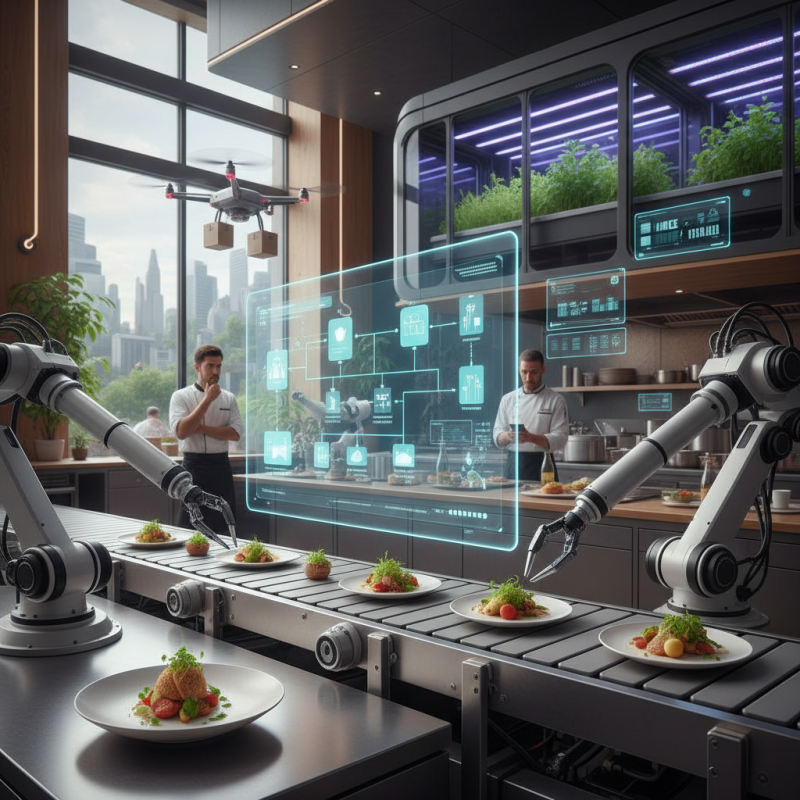
Emerging Technologies in Food Automation: An Overview
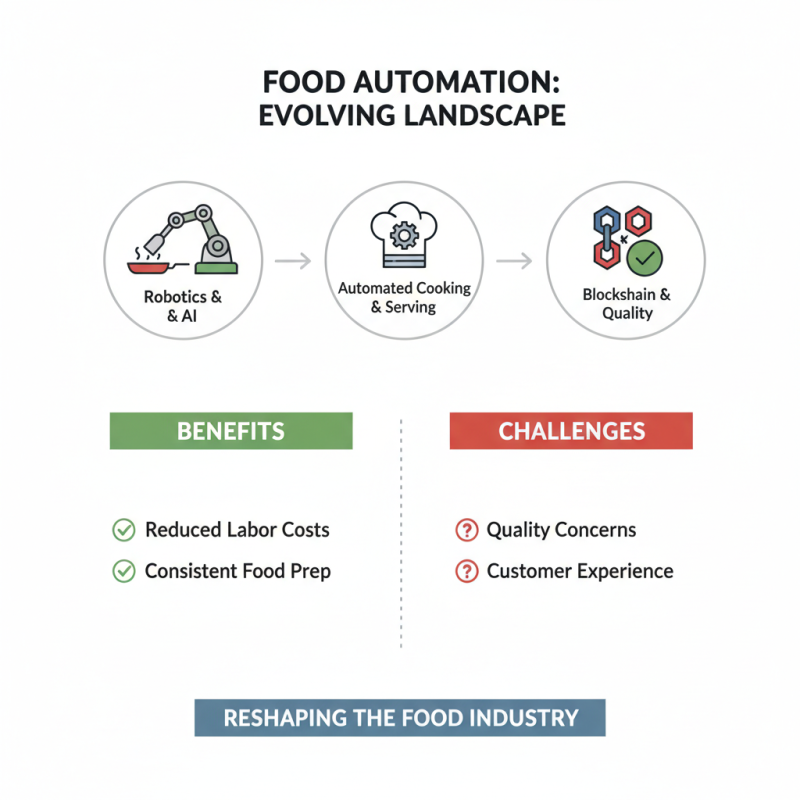
The landscape of food automation is evolving rapidly. Technologies such as robotics, artificial intelligence, and blockchain are reshaping the industry. Restaurants are beginning to adopt robots for tasks like cooking and serving. This reduces labor costs and ensures consistency in food preparation. Yet, a reliance on machines raises questions about quality and customer experience.
AI is transforming inventory management. Predictive analytics can forecast demand, minimizing waste. However, data privacy is a significant concern. Many businesses lack proper protocols to protect consumer information. Additionally, the implementation of smart devices in kitchens can lead to technical glitches. These errors could disrupt operations, leading to potential loss of revenue.
Sustainability remains a hot topic. Automation helps reduce food waste through precise portion control. Still, the environmental impact of manufacturing equipment cannot be ignored. For some, the benefits of efficiency do not outweigh the ecological footprints. Organizations might need to reassess their values in the quest for innovation. Balancing technology with ethical practices will be crucial in shaping the future of food automation.
The Role of Artificial Intelligence in Streamlining Food Production
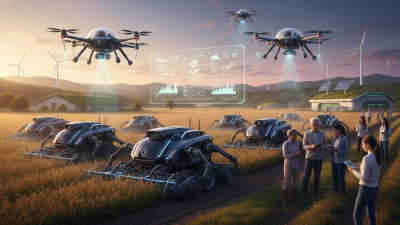
Artificial intelligence is revolutionizing food production. It enhances efficiency and reduces waste. With algorithms, machines can predict crop yields. Data analysis helps optimize resources. This leads to lower costs and higher quality food. However, reliance on AI brings challenges.
The integration of AI in food automation may overlook human creativity. Machines may handle repetitive tasks but lack emotional intelligence. Some processes require a human touch. Exploring this balance is crucial for future advancements. There is a need for reflection on where machines work best.
AI tools can analyze food safety risks. They monitor contaminants in real-time. This significantly improves consumer trust. However, technology is not foolproof. There are still potential errors associated with automated systems. Addressing these issues remains a priority. We must ensure a safe food supply while harnessing AI’s full potential.
2026 Best Food Automation Trends to Watch for the Future
| Trend |
Description |
Impact on Production |
Adoption Rate by 2026 |
| AI-powered Supply Chain Management |
Utilizes predictive analytics to enhance inventory management and reduce waste. |
Increased efficiency and reduced costs. |
70% |
| Robotic Process Automation (RPA) |
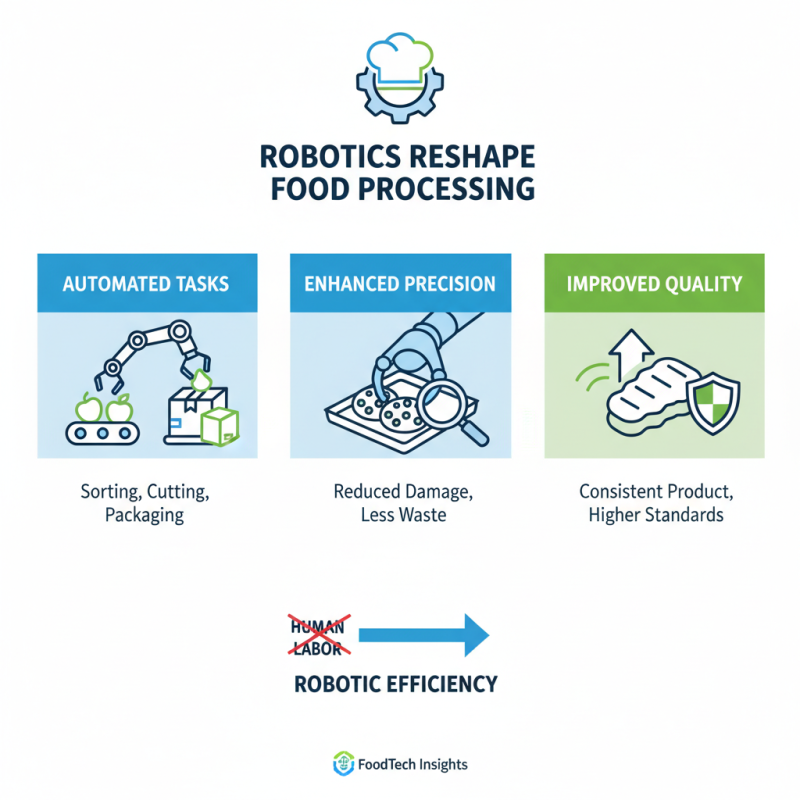
Automates repetitive tasks such as packaging and labeling. |
Faster production speeds and lower labor costs. |
65% |
| Smart Farming Technologies |
Involves the use of IoT devices to optimize farming practices. |
Higher yields and sustainable practices. |
60% |
| Food Safety Monitoring |
AI systems for real-time monitoring of food safety standards. |
Enhanced consumer trust and reduced recalls. |
75% |
| Personalized Nutrition Solutions |
AI analyzes individual dietary needs and preferences. |
Improved consumer health and satisfaction. |
55% |
Sustainable Practices in Food Automation for the Future
Sustainable practices in food automation are essential for the future of our planet. Many food producers are embracing technologies that minimize waste. For instance, smart sensors can monitor food freshness, reducing unnecessary spoilage. Automated systems can process only needed quantities, ensuring efficient resource use.
Another trend involves using renewable energy sources. Solar panels and wind turbines are becoming more common in food processing facilities. These sources help reduce carbon footprints, but they also require substantial investment. Not every company can afford such upgrades. Some may still rely on fossil fuels, which hinders broader adoption.
Moreover, packaging automation is evolving. Biodegradable and compostable materials are gaining traction. Still, the transition isn't seamless. Many producers hesitate to invest in new packaging technologies. They fear it may not yield immediate benefits. This hesitation highlights the need for a cultural shift in how food businesses view sustainability.
Consumer Trends Influencing Food Automation Solutions
Consumer preferences are evolving rapidly, significantly impacting food automation solutions. A recent study shows that 65% of consumers favor sustainable practices in food production. This trend pushes companies to adopt automation technologies that enhance efficiency while minimizing waste. Automation can help monitor supply chains and reduce environmental impacts.
Moreover, the demand for personalized food experiences is rising. Around 55% of consumers seek customized products. This shift encourages automation tools that allow for precise ingredient handling and tailored meal options. While automation can meet these needs, it also poses challenges. Companies must balance between personalization and the efficiency of mass production.
Additionally, the convenience factor remains critical. A survey revealed that 70% of consumers prefer quick meal solutions. As a result, the industry must innovate to deliver fast, automated processes without compromising quality. However, achieving this balance is complex. Over-reliance on automation can lead to a loss of human touch, which many consumers value.