What is Agriculture Automation and How Does it Transform Farming?
Agriculture automation is reshaping the way we farm. This innovative approach merges technology with traditional farming practices. Machines and data now play crucial roles in crop management and livestock care.
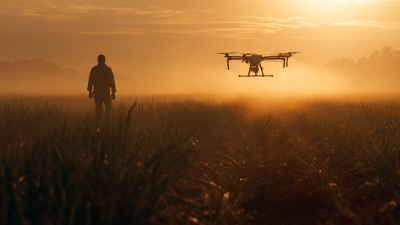
Farmers use drones to monitor fields. These aerial images help identify problem areas quickly. Robots can plant seeds or harvest crops more efficiently than human hands. Sensors gather real-time data, guiding decisions on irrigation and fertilization.
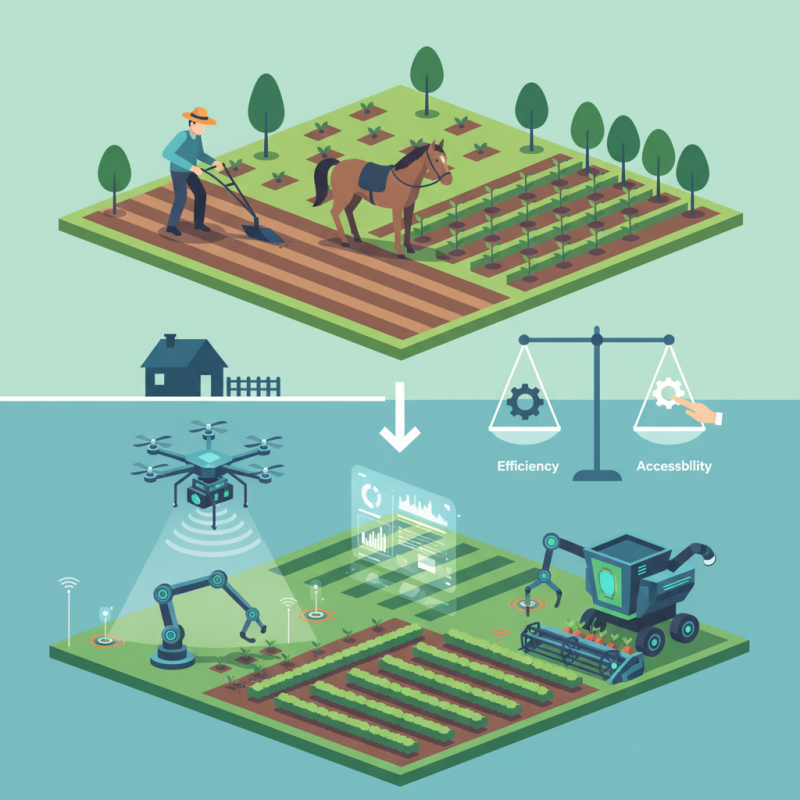
However, agriculture automation also raises concerns. Not all farmers can afford advanced technology. There is a risk that small farms may struggle to compete. As we embrace these changes, we must reflect on the balance between efficiency and accessibility.
What is Agriculture Automation?
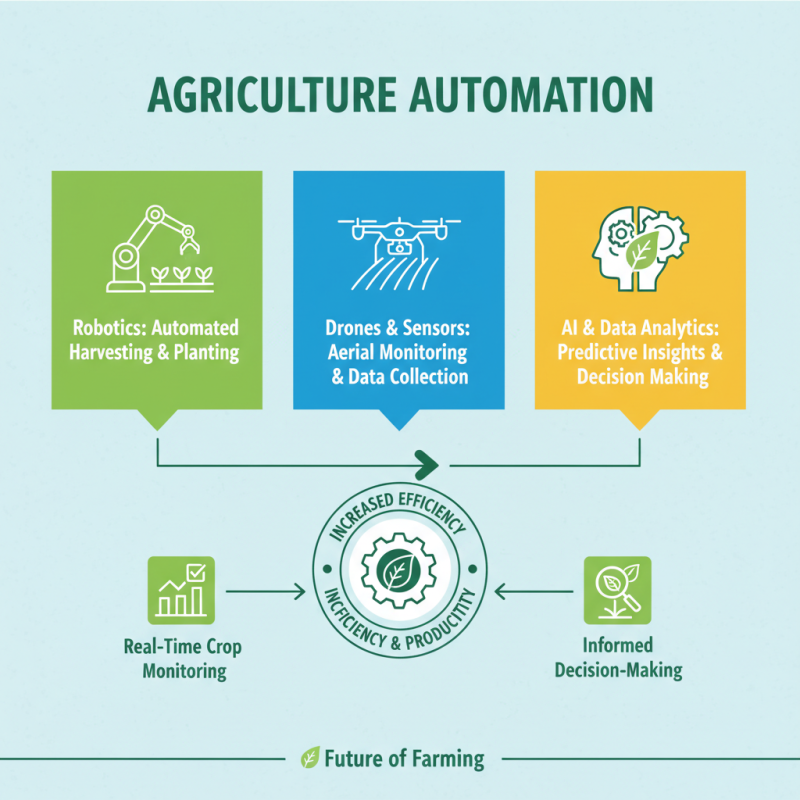
Agriculture automation refers to the integration of technology into farming practices. This technology includes robotics, sensors, and AI. These innovations improve efficiency and productivity. Farmers can monitor crops in real time. They utilize drones for aerial imagery and field scanning. This data helps in decision-making processes.
The benefits are clear. They include reduced labor costs and increased yield. However, not all farms can afford these advancements. Small-scale farmers often face challenges in accessing automation tools. They might feel left behind in a rapidly changing industry. Training and support are crucial for these farmers. Technology can sometimes feel intimidating.
Farmers must carefully evaluate their needs. Not all automation solutions suit every farming type. Some technologies may complicate rather than simplify tasks. It’s essential to find a balance. Automation can complement traditional practices, but it should not entirely replace them. An ideal approach combines the best of both worlds for sustainable farming.
Key Technologies Driving Agriculture Automation
Agriculture automation is a game-changer. Key technologies drive this transformation. One major player is precision agriculture. It uses data and analytics to enhance farming efficiency. Sensors and GPS track crop health and soil conditions. Farmers can make informed decisions based on real-time data.
Another significant technology is robotics. Drones and autonomous vehicles simplify labor-intensive tasks. They reduce the need for manual labor, which can be scarce. However, dependency on machines can pose risks. Malfunctions or software errors can disrupt operations. Farmers must regularly check equipment to ensure reliability.
Tip: Always keep backups of data collected from automated systems. This helps in case technology fails. Continuous learning is essential. Stay updated on the latest advancements in technology. This can lead to innovative solutions in farming practices. Remember, automation is a tool, not a complete replacement for human insight.
Impact of Agriculture Automation on Crop Production
Agriculture automation is increasingly reshaping crop production. Advanced technologies like drones and robotics are now common in fields. According to a report by the Food and Agriculture Organization, automation can boost crop yields by 20-40%. This increase is crucial as the global population continues to rise.
However, the reliance on automation brings challenges. Many farmers struggle with the initial costs of technology. A survey revealed that over 60% of small farmers feel excluded from advancements. There is a gap between large agribusinesses and smallholders. Smaller operations often lack access to the necessary resources and training.
Moreover, the environmental impact is still under debate. While automation can reduce labor needs, it also raises concerns about biodiversity. Auxiliary technologies may lead to monocultures, harming soil health. Balancing efficiency with environmental stewardship remains a challenge for the industry. The path to automation is not just about technology; it's also about sustainable practices.
What is Agriculture Automation and How Does it Transform Farming? - Impact of Agriculture Automation on Crop Production
| Aspect |
Before Automation |
After Automation |
| Yield per Hectare |
2.5 Tons |
4.0 Tons |
| Labor Cost |
$300/ha |
$150/ha |
| Water Usage |
8000 Liters |
5000 Liters |
| Pesticide Usage |
5 kg/ha |
2 kg/ha |
| Harvest Time |
30 Days |
20 Days |
Challenges and Considerations in Implementing Automation
The integration of automation in agriculture presents both opportunities and challenges. Farmers often face the high cost of initial investments in technology. Many devices require significant capital and training. Not every farm can afford automation. This can lead to a divide between large and small farms. Those unable to adapt may struggle.
Implementing automation also demands a shift in mindset. Workers need to learn new skills. This transition can be daunting for some. Not all employees welcome this change. Resistance to technology can slow down progress. It’s crucial to foster an environment supporting learning.
**Tips:**
Consider starting with small, manageable automation. This allows gradual adaptation. Assess which processes require automation the most. Focus on areas with clear benefits. Develop a training program for workers. Involve them in the process. Their insights can improve efficiency, and acceptance may increase.
Impact of Agriculture Automation on Crop Yield Over Years
This bar chart illustrates the trend of average crop yield over the years from 2015 to 2022. The implementation of automation in agriculture has led to a steady increase in yields, as seen from the rising bars in the graph, reflecting improved efficiency and accuracy in farming practices.
Future Trends in Agricultural Automation and Sustainability
Agricultural automation is reshaping the future of farming. Various reports indicate that by 2050, global food demand will rise by 70%. This increase calls for innovative solutions. Automation technologies, such as drones and autonomous tractors, play a crucial role in meeting this demand.
Sustainability is a key focus in agricultural automation. Precision farming minimizes waste and maximizes yields. Research shows that implementing automation can reduce water usage by up to 30%. This is vital as water scarcity grows. However, there are challenges. Not all farmers can afford state-of-the-art equipment. Many farms lack access to advanced technology.
The integration of AI and machine learning in farming also requires skilled labor. Rural areas may struggle to attract young talent. This gap raises important questions about future workforce needs. While automation holds promise, it must be inclusive. Bridging this gap will help ensure sustainable farming practices.