10 Essential Tips for Automation in Industry Success
In the rapidly evolving sector of automation for industry, expert Mark Thompson emphasizes, "Embracing automation is no longer an option; it's essential for survival." As industries strive to enhance efficiency and reduce costs, the integration of advanced automation technologies becomes crucial. The challenge lies not only in implementation but also in adapting to these new systems.
Successful automation requires careful planning and execution. Problems often arise from rushed decisions or inadequate training. Industries may invest heavily in technology but fail to engage their workforce effectively. Therefore, employee buy-in is vital. Workers must understand and embrace these changes to fully realize the benefits of automation for industry.
A focus on continuous improvement is key. Companies should routinely assess their automation strategies to identify areas for growth. Challenges will persist, but those who learn from their mistakes will thrive. Without reflection and adaptation, progress stalls. In the world of automation, complacency is a recipe for failure.

Understanding Automation: The Basics and Importance in Industry
Automation in industry is essential. It enhances productivity and reduces operational costs. Many companies are shifting towards automation to stay competitive. However, understanding its basics is crucial for effective implementation.
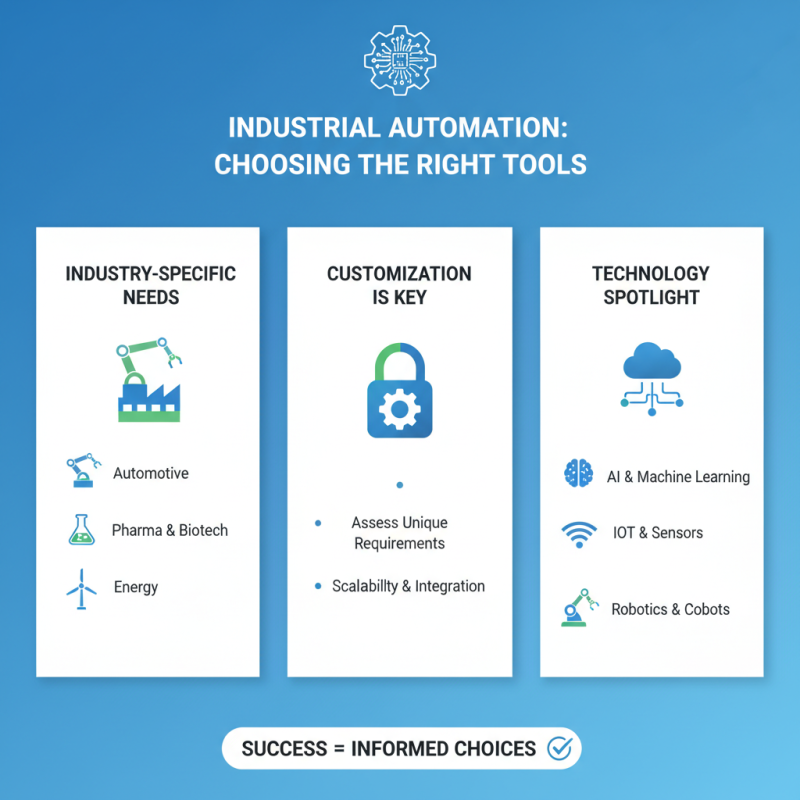
Automation encompasses various technologies. Robotics, AI, and machine learning play significant roles. These tools can streamline repetitive tasks, improving efficiency. Yet, not all industries are equally equipped for this transition. Some workers may feel threatened by automation, leading to resistance. Proper training and communication can help alleviate fears.
The importance of automation lies in its ability to foster innovation. It allows companies to focus on higher-value tasks. However, a complete reliance on automated systems can lead to unforeseen challenges. Regular assessments and human oversight remain vital. Balancing automation with human input can create a more resilient workforce.
Identifying the Key Areas for Automation Implementation
Identifying key areas for automation in the industrial sector can drive efficiency and reduce costs. Start by analyzing repetitive tasks. Manual data entry, inventory tracking, and basic quality checks often consume time. Automating these areas can free up your workforce for more strategic activities. Yet, ensure the systems seamlessly integrate with existing processes. A misstep here can lead to significant disruptions.
Next, consider predictive maintenance. Being proactive rather than reactive can save resources. By automating monitoring systems, you can schedule maintenance before issues occur. However, this requires data analysis capabilities and insights. Training staff to interpret this data is essential. Overlooking this area risks underutilizing automation benefits.
Lastly, customer interactions can also be automated. Chatbots and automated response systems can streamline communication. But beware of over-relying on technology. Human touch in customer service is sometimes irreplaceable. Striking a balance will be vital. Explore these areas thoughtfully and iteratively. Your automation journey should be flexible, adapting to ongoing feedback and system performance.
Best Practices for Workforce Training and Adaptation
In today's industrial landscape, workforce training is crucial for successful automation. Employees must adapt to new technologies quickly. This can be a challenge for many. Providing hands-on training sessions helps bridge the gap. Workers can engage with the technology directly. They gain confidence and skills when learning in real-time.
Additionally, fostering a culture of continuous learning is essential. Encourage employees to share their experiences and insights. This practice nurtures collaboration and adaptation. Feedback loops are important too. Often, initial training might not cover every aspect. Regular check-ins can help identify gaps and address them.
Lastly, while automation can enhance efficiency, it can also create discomfort. Workers may fear job loss or displacement. Addressing these emotions is vital for a smooth transition. Open discussions about the future of work can ease concerns. Workers should understand that automation can augment their roles, not eliminate them.
10 Essential Tips for Automation in Industry Success - Best Practices for Workforce Training and Adaptation
| Tip Number |
Tip Description |
Implementation Frequency |
Expected Outcome |
| 1 |
Identify key automation opportunities in workflows. |
Quarterly |
Improved efficiency |
| 2 |
Provide comprehensive training programs. |
Biannually |
Enhanced skill set of workers |
| 3 |
Integrate feedback systems for continuous improvement. |
Monthly |
Higher employee engagement |
| 4 |
Utilize simulation tools for hands-on training. |
As needed |
Increased confidence in handling equipment |
| 5 |
Measure performance metrics for automation. |
Monthly |
Data-driven decisions |
| 6 |
Develop a culture of adaptability. |
Ongoing |
Streamlined transitions to new systems |
| 7 |
Employ cross-training of staff. |
Annually |
Flexible workforce |
| 8 |
Engage in regular technology updates. |
Semiannually |
Competitive edge |
| 9 |
Foster collaboration between teams. |
Continuously |
Increased innovation |
| 10 |
Assess the impact of automation regularly. |
Quarterly |
Sustained performance improvement |
Measuring Success: Metrics and Evaluation of Automation Efforts
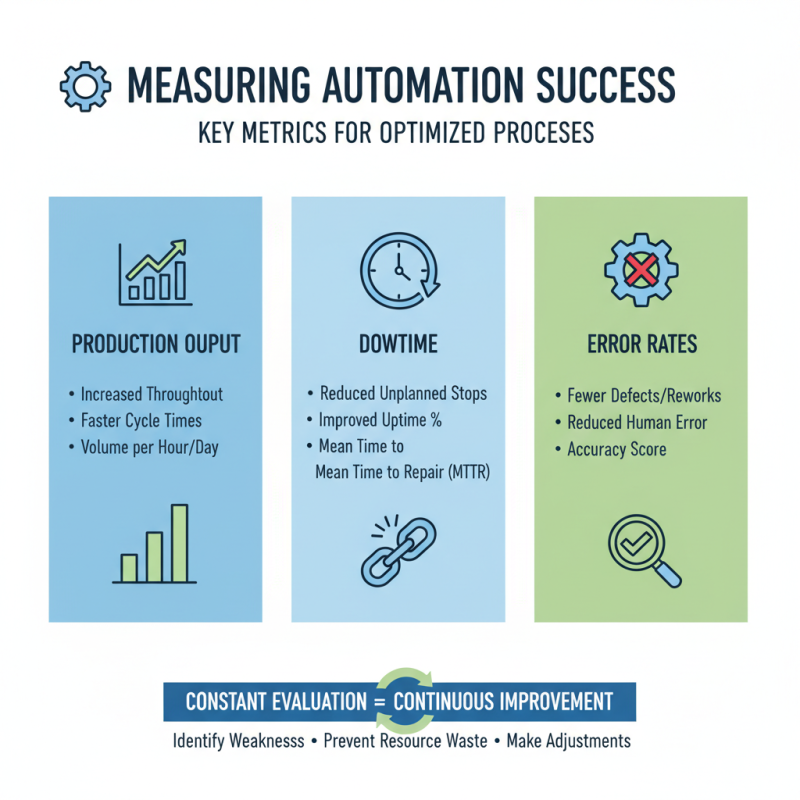
Measuring the success of automation initiatives is crucial. Metrics provide insight into performance and efficiency. Common metrics include production output, downtime, and error rates. Tracking these numbers helps organizations identify weaknesses in their processes. A consistent approach to evaluation allows for adjustments. Without effective measurement, automation can lead to wasted resources.
Another aspect to consider is the human factor. Employee feedback often uncovers issues not seen in the data. Automation may enhance productivity, but it can also erode morale. Understanding the balance between technology and people is essential. Regular reviews of the impact on staff can reveal hidden areas for improvement. Gathering qualitative data is just as important as quantitative metrics.
Lastly, automation success isn't solely about numbers. It’s about growth and adaptability. Flexibility in strategies allows businesses to pivot when needed. Embracing failure as a learning tool can reshape future efforts. Without this reflection process, companies might repeat the same mistakes. Thus, a comprehensive evaluation strategy is key for long-term success in automation.