Top Industry Automation Solutions Transforming Business Efficiency?
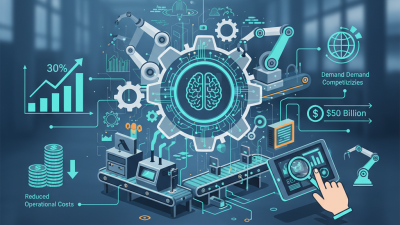
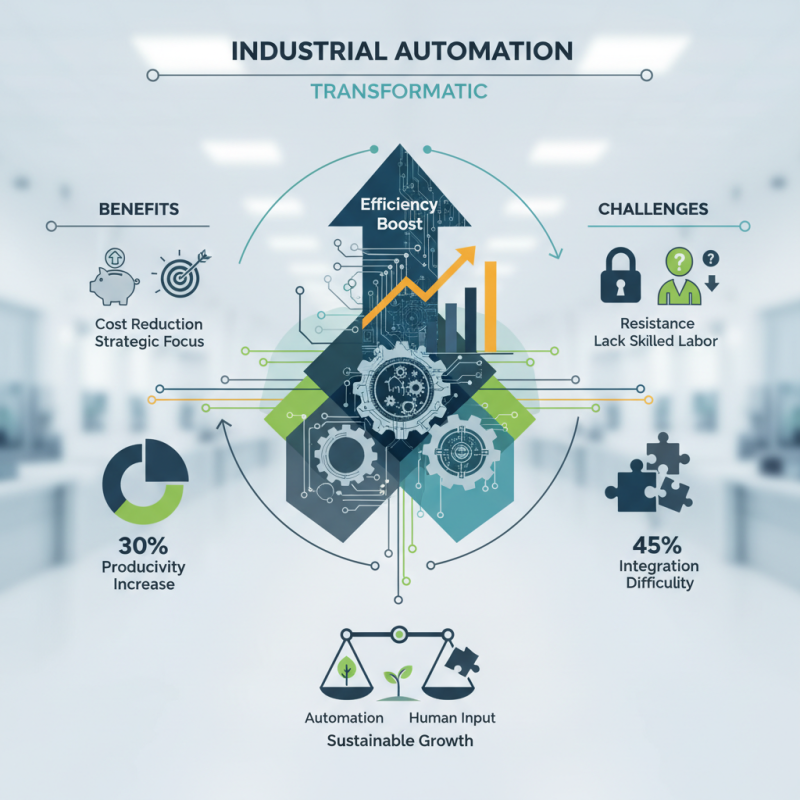
In today's fast-paced business landscape, industry automation solutions are pivotal for enhancing operational efficiency. According to a recent report by McKinsey, companies that adopt automation can boost productivity by up to 30%. This shift not only reduces costs but also enables firms to focus on strategic initiatives.
However, implementing these solutions is not without challenges. Many organizations struggle with resistance to change and lack of skilled labor. A study from Deloitte indicates that 45% of executives report difficulty in integrating automation technologies. This gap highlights the need for strong leadership and training programs alongside technological investment.
Moreover, the potential downsides of over-automation cannot be ignored. Over-reliance on technology may lead to reduced human oversight and creativity. Balancing automation with human input is essential for sustainable growth. As companies explore industry automation solutions, it's crucial to address these complexities to truly transform business efficiency.
Key Components of Industry Automation Solutions
Industry automation solutions are reshaping how businesses operate. These systems enhance efficiency by integrating key components that drive performance. One of the core elements is sensors. Sensors collect real-time data throughout production processes. They provide insights into equipment performance and detect anomalies promptly. This can prevent costly downtime.
Another vital component is software platforms. These platforms analyze data from various sources. They help in decision-making and resource allocation. They often utilize machine learning to optimize operations. This means that the more data collected, the better the predictions. However, relying solely on automation can lead to a lack of critical human oversight.
Tips: Always ensure there's a balance between automation and human input. Monitoring is essential. Regularly assess your automation strategy to avoid over-dependence. Additionally, invest in training your staff on new technologies. This fosters a collaborative environment and enhances overall effectiveness. Embracing automation is crucial, but reflection on its impact is vital.
Benefits of Implementing Automation in Business Processes
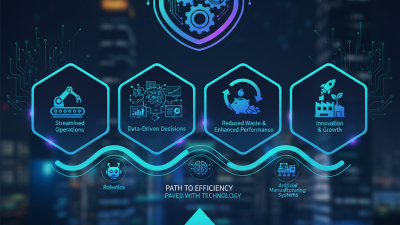
Automation in business processes offers numerous advantages. One key benefit is increased efficiency. By streamlining repetitive tasks, businesses can save time. Employees can focus on more valuable work. This shift often leads to innovation and growth.
However, not all automation implementations are seamless. Challenges may arise, from employee resistance to technical failures. Proper training is essential for success. Companies need to address these issues proactively. The initial investment can also be daunting. Yet, the long-term gains usually outweigh these obstacles.
Moreover, automation helps in data management. It allows businesses to analyze trends quickly. This capability supports informed decision-making. Still, over-reliance on automation can be risky. Companies may overlook valuable human insights. Balancing automation with human intervention is crucial for optimal results.
Emerging Technologies Driving Industry Automation Forward
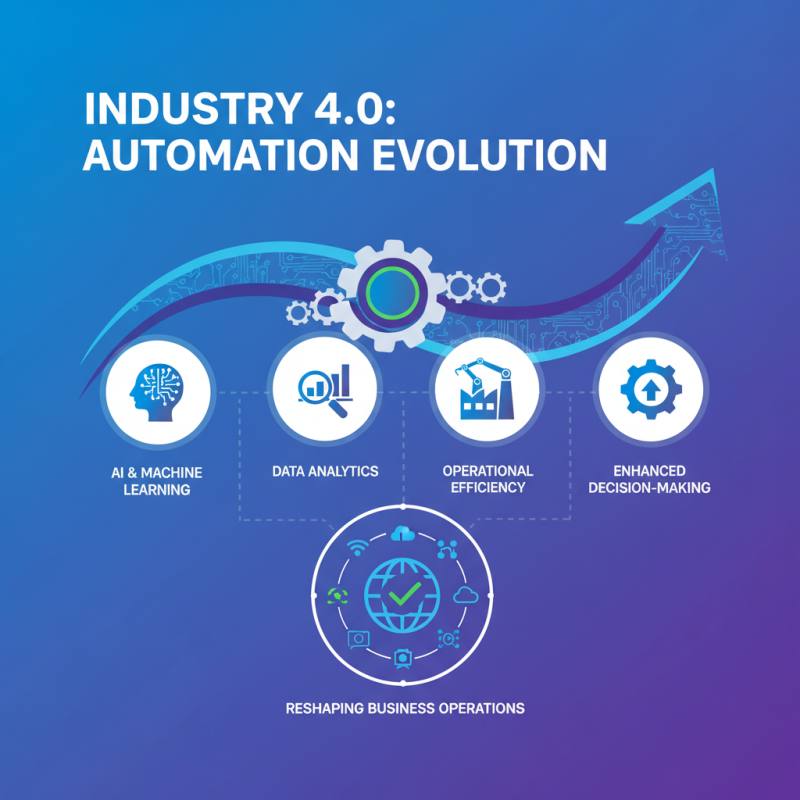
Emerging technologies are reshaping industry automation in significant ways. Artificial intelligence and machine learning are at the forefront. They enhance decision-making and predict maintenance needs. These tools analyze large data sets quickly. This leads to faster, more informed actions. However, companies must ensure they have the right data strategies in place. Poor data quality can undermine these advancements.
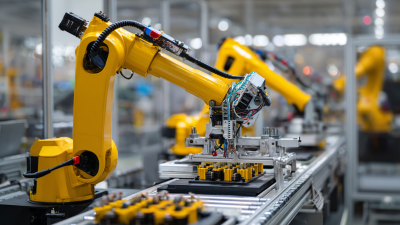
Robotics and automation systems are also transforming operations. Advanced robotics can perform repetitive tasks efficiently. This eliminates human error and reduces operational risks. Yet, the integration of such technologies can be challenging. Workers may resist changes to their roles. Companies should invest in training to ease this transition. Understanding the human element is crucial for success.
IoT devices are another game changer in automation. They offer real-time monitoring and control over processes. This connectivity allows for more responsive operations. However, security concerns must not be overlooked. With increased connectivity comes greater vulnerability. Companies need to prioritize robust cybersecurity measures. Balancing innovation and security is essential for future success.
Case Studies: Successful Automation Transformations Across Sectors
In recent years, automation has reshaped various industries. Companies have embraced changes, leaving behind traditional methods. A manufacturing firm implemented robotic arms for assembly lines. This boosted productivity but raised concerns about job displacement. Workers adapted by acquiring new skills, yet anxiety lingered over future roles.
Healthcare also witnessed automation's potential. Electronic health records streamlined patient data access. Doctors spent more time with patients. However, issues about data security arose. As more systems go digital, protecting sensitive information remains a priority. Training staff on cyber hygiene is crucial in this shift.
**Tip:** Always involve employees in automation discussions. Their insights can highlight concerns and foster smoother transitions. Engaging teams early helps mitigate resistance to change.
Retail has evolved with automated checkout systems. These speed up transactions but can frustrate less tech-savvy customers. Staff may need retraining to assist shoppers effectively. Automation aims for efficiency but must not alienate customers. Balance technology with a personal touch.