How to Optimize Mining Automation for Increased Efficiency and Safety?
Mining automation is reshaping the industry, enhancing both efficiency and safety. As John Smith, a leading expert in mining automation, states, “Automation is not just about technology; it’s about people and processes.” This perspective is crucial when optimizing mining operations.
Automation can streamline processes but also presents challenges. For instance, integrating new systems may disrupt established workflows. The balance between technology and human oversight is delicate. Safety protocols must adapt alongside automation advances to protect personnel.
Exploring this topic further, we see that mining automation can lead to significant efficiency gains. However, it requires careful planning and training. Technology evolves fast, but human adaptability must keep pace. Addressing these challenges can foster a safer, more productive mining environment. Continuous reflection on our practices will lead to better outcomes.
Understanding Mining Automation Technologies and Their Benefits
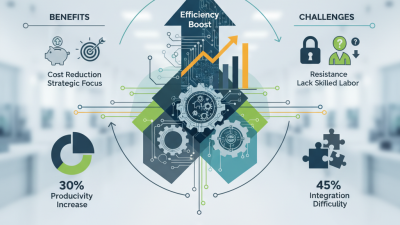
Mining automation technologies have transformed the industry. They offer significant benefits in efficiency and safety. Automated systems reduce human error, which is a major risk in mining operations. By relying on machines, companies can enhance productivity. Robots and drones are now commonplace in many mines. They perform tasks that are dangerous for humans.
Tips: Invest in training your team. Understanding automation is crucial. Workers must grasp how to work alongside automated systems. Regularly assess your automation strategy. What works today might need adjustment tomorrow. Don't ignore feedback from operators. They can shed light on potential issues.
Automation also allows real-time data collection. This data helps in decision-making. With the right analytics, companies can predict equipment failures. This proactive approach prevents costly downtime. However, technology can sometimes fail. Ensure backup systems are in place. Reliance on automation should not lead to complacency. Continuous improvement is essential in mining environments.
Mining Automation Technologies: Efficiency and Safety Enhancements
Key Factors for Assessing Mining Automation Needs and Objectives
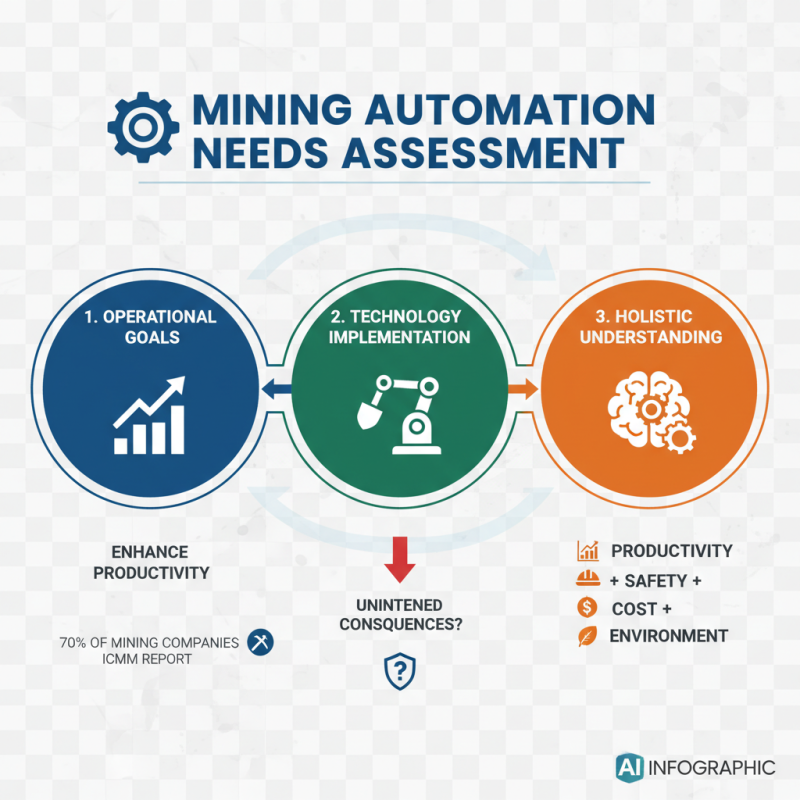
When assessing mining automation needs, several key factors emerge. First, identifying specific operational goals is crucial. According to a report from the International Council on Mining and Metals, 70% of mining companies aim to enhance productivity through automation. This indicates a strong industry trend toward efficiency. However, merely implementing technology without understanding its implications may lead to unintended consequences.
Next, safety remains a pivotal objective. Data from the Mine Safety and Health Administration reveals that automation can reduce workplace accidents by up to 30%. Yet, over-reliance on automated systems may create complacency. Operators might neglect essential safety protocols, assuming machines handle all risks. This highlights the need for continuous training and human oversight.
Lastly, integrating new technologies can be complex. A study by Deloitte found that only 35% of mining firms reported successful automation deployment. Many faced challenges in aligning automation strategies with their workforce capabilities. It's vital to evaluate the existing skill set of employees and invest in training, ensuring the transition is smooth. Balancing automation with human expertise is essential for achieving true efficiency in mining operations.
Strategies for Integrating Automation into Existing Mining Operations
Integrating automation into existing mining operations can boost efficiency and safety. According to a report by the International Council on Mining and Metals, automation can reduce operational costs by up to 30%. This reduction is vital as mining margins are tightening. However, companies often face challenges when implementing these technologies. Proper training is essential to ensure that workers understand new systems. If not, misunderstandings can arise, leading to potential accidents.
Data from the World Economic Forum indicates that mines leveraging automation report a 20-30% increase in productivity. Yet, many workers fear job displacement. This concern highlights the need to develop transition strategies. For instance, upskilling workers to handle automated devices can create a safer work environment. A study from McKinsey emphasizes that successful automation requires a clear roadmap. Without it, companies might miss out on crucial efficiency gains.
Adopting automation should also focus on safety enhancements. Reports show that automated systems reduce human error, which accounts for 70% of mining accidents. Nonetheless, these systems need regular updates and checks. Failure to maintain automation could lead to malfunctions, putting workers at risk. Companies must balance the push for automation with careful evaluation of its impact on workforce safety.
Monitoring and Maintenance Practices for Enhanced Mining Safety
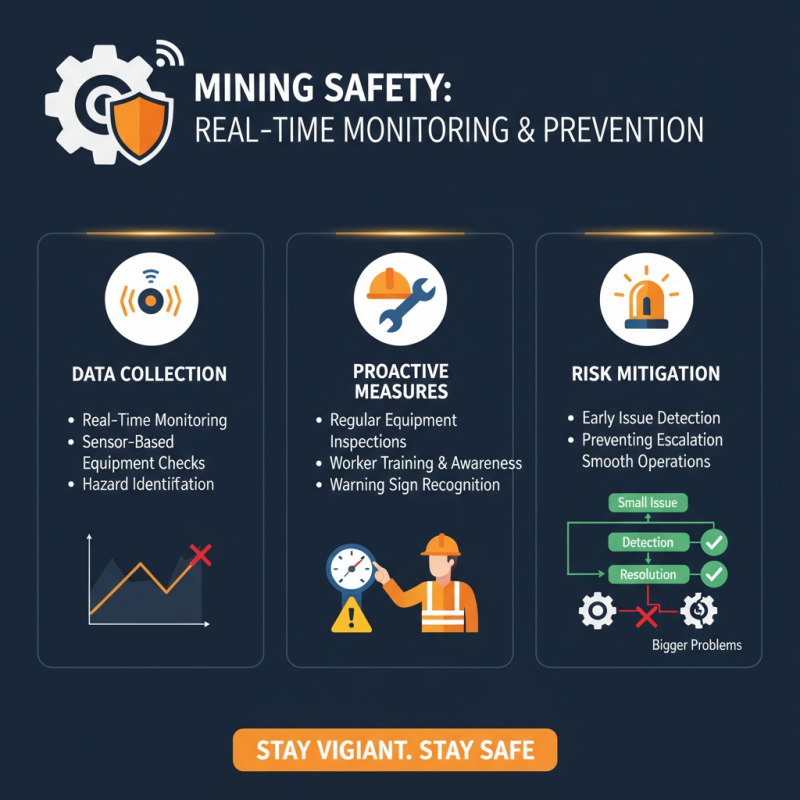
Monitoring plays a crucial role in mining safety. Real-time data collection helps identify potential hazards. Sensors can detect changes in equipment performance. Regular inspections ensure everything runs smoothly. Workers should be trained to recognize warning signs. Overlooking small issues can lead to bigger problems.
Maintenance practices must be proactive. Scheduled checks and repairs can prevent accidents. Teams should communicate openly about equipment status. An unexpected breakdown can halt operations. If a machine fails, it could put lives at risk. Adaptability is key. Sometimes, the unexpected happens, and plans must change.
Investing in technology is important. Drones or remote cameras can monitor hard-to-reach areas. Yet, reliance on tech should not replace human oversight. There’s a balance to find. Using both methods can enhance safety. Ensuring that teams feel empowered to report issues is essential. Overall, effective monitoring and maintenance practices are fundamental for a safer mining environment.
Evaluating Outcomes: Measuring Efficiency Gains from Automation Implementations
Automation in mining promotes efficiency and safety significantly. However, measuring the outcomes of such implementations is complex. Quantifying efficiency gains requires tailored metrics. Companies often rely on standard KPIs like production rates or cost savings. Yet, these metrics do not capture the full picture.
For example, consider a site that uses automated drills. It may improve production speed, but do workers face new safety risks? Automation might streamline operations but require new training programs. This transition often presents challenges that aren’t immediately apparent.
Another interesting aspect is the impact on communication. Automated systems can create gaps in information flow. A real-time data dashboard may seem beneficial but requires ongoing updates. If operations staff can't access current data quickly, efficiency may drop. These reflections show that while automation holds promise, it is not a cure-all. Each step must be carefully evaluated for true gains.